Tag: travel

  • Review: Austen and Turner: A Country House Encounter

    Review: Austen and Turner: A Country House Encounter

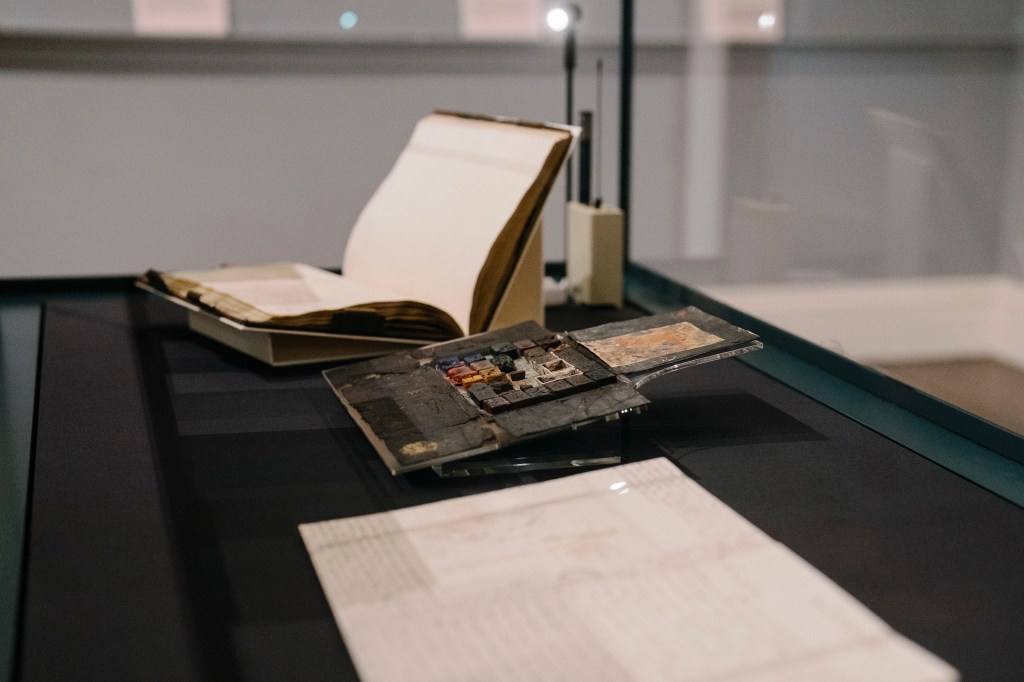
    Sometimes it is not the main feature of an exhibition that really draws you in and captures your imagination, but instead, a smaller component that others attending the show may not even have noticed. At the exhibition Austen and Turner: A Country House Encounter I was drawn in by J.M.W. Turner’s paint palette: a rudimentary object that the artist had fashioned himself from pieces of card, still with the paints in little ceramic dishes within it. It was so charmingly quaint and intimate to see up close: in the exhibition, it was closely followed by Jane Austen’s first editions – books within glass cases, mostly in pristine condition. Still, the palette afforded a sense of intimacy that the books did not, most likely because it was handled and indeed made by Turner himself, while the books had been through the publication process.

    Travelling watercolour box owned by J.M.W. Turner, R.A. ca. 1842
    JMW Turner, Photo credit: ©Royal Academy of Arts, London

    The drive up to Harewood House in Yorkshire is a lengthy one, filled with beautiful English countryside to rival any royal park both in beauty and in scale. This year, the house hosts a landmark exhibition, Austen and Turner: A Country House Encounter, celebrating the 250th anniversaries of two titans of British culture: the landscape painter Joseph Mallord William Turner (1775–1851) and the novelist Jane Austen (1775–1817). This groundbreaking exhibition, co-curated by the Harewood House Trust and the University of York Centre for Eighteenth Century Studies, imagines a meeting between these well-loved figures, looking at their shared interest in the British country house and its cultural significance during the Regency era. While there is no historical evidence that confirms that Austen and Turner actually met in person during their lifetimes, their connections to Harewood House and their parallel insights into the social and aesthetic worlds of their time offer a vivid and compelling narrative. 
    J.M.W. Turner and Harewood House: A Formative Commission

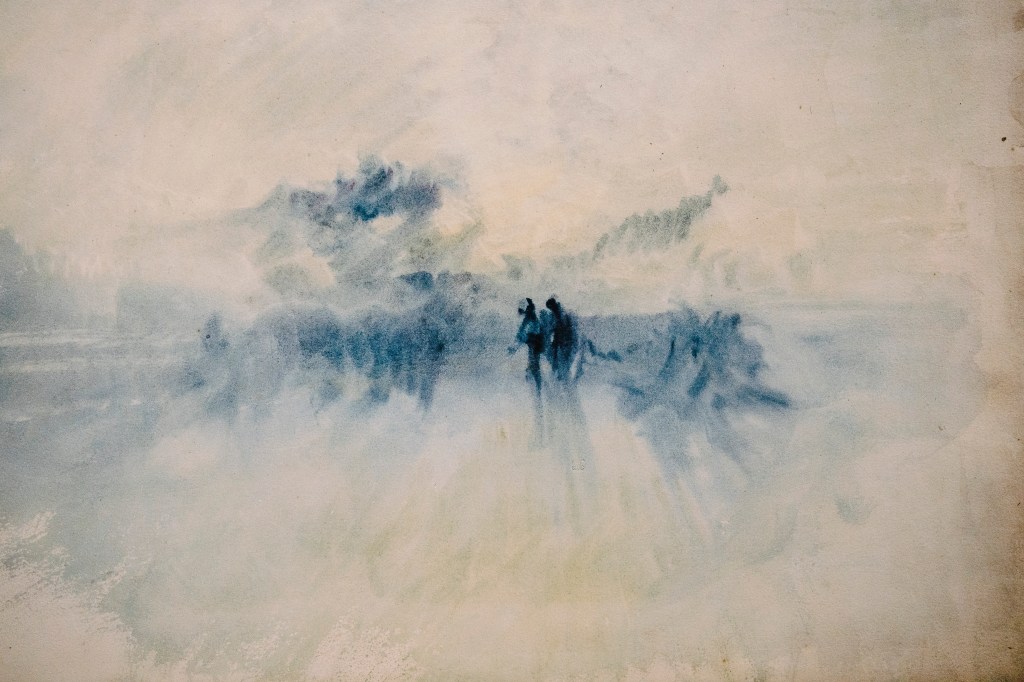
    J.M.W. Turner, often hailed as the “painter of light,” was a transformative figure in British art, elevating landscape painting to rival the long prestige of history painting. His connection to Harewood House began in 1797, when, as a young artist of 22, he was commissioned by Edward Lascelles, Viscount Lascelles (1764–1814), to create a series of watercolours depicting the estate: some of these are on display for viewers within the exhibition. This commission marked a pivotal moment in Turner’s career, transitioning him from an architectural draftsman to a serious landscape painter.

    Harewood House, a Palladian masterpiece built in 1759 by Edwin Lascelles, 1st Baron Harewood, was an ideal subject for Turner’s budding talent. Designed by Robert Adam and set within a landscape crafted by Capability Brown, the estate embodied the grandeur and cultural aspirations of the British aristocracy, with its extensive gardens and neo-classical facade. Turner’s visit in the summer of 1797 was part of an extensive tour of northern England, during which he filled two large sketchbooks with nearly 200 drawings, capturing landmarks like Kirkstall Abbey and Durham Cathedral. At Harewood, he focused on the house and its medieval castle ruins, producing six large watercolors—four of the house and two of the castle—for which he was paid 10 guineas each.

    These works, including Harewood House from the North-East and Harewood Castle from the South East, showcase Turner’s early mastery of light and atmosphere. His depiction of the castle ruins, with their ivy-clad towers set against the expansive Wharfe Valley, reveals a romantic sensibility that would define his later work. The exhibition at Harewood reunites these watercolors, some of which had been separated since 1858, alongside rarely seen sketches from the Tate’s Turner Bequest and the aforementioned paintbox he used during his visit. These artefacts highlight Turner’s meticulous process and his ability to capture the emotive power of the landscape.
    Turner’s connection to Harewood was not merely fleeting. Edward Lascelles, a patron with keen artistic sensibilities, supported young, avant-garde artists like Turner and his contemporary Thomas Girtin, who also painted Harewood. The 2015 exhibition Mr Turner and Mr Girtin: The Early Years at Harewood compared their approaches, noting Turner’s luminous precision against Girtin’s softer, more atmospheric style. This patronage underscores Harewood’s role as a hub for artistic innovation, a tradition that continues with contemporary responses to Turner’s work in the 2025 exhibition.

    Jane Austen and Harewood House: A Literary Connection

    Jane Austen, born the same year as Turner, was a novelist whose sharp social observations and nuanced portrayals of the British gentry remain unparalleled. While Austen never visited Harewood House, her work and life intersect with its cultural and historical context in intriguing ways. The exhibition posits Harewood as a real-world parallel to the fictional estates in Austen’s novels, such as Pemberley in Pride and Prejudice, which symbolize wealth, status, and moral character. Harewood’s opulent interiors, extensive grounds, and colonial wealth—derived from the West Indies sugar trade—mirror the settings Austen critiqued and celebrated.

    Austen’s awareness of Harewood is suggested through her reference to the Lascelles family in Mansfield Park. A minor character, Mrs. Lascelles, evokes the family’s name, hinting at Austen’s familiarity with their prominence. The Lascelles’ wealth, tied to slavery and empire, resonates with the themes of colonialism and moral ambiguity in Mansfield Park, where Sir Thomas Bertram’s Antiguan plantations underpin the family’s fortune. The exhibition includes a first edition of Sense and Sensibility from Harewood’s collection, alongside the original manuscript of Austen’s unfinished novel Sanditon, displayed in northern England for the first time. Sanditon is particularly significant for featuring Miss Lambe, Austen’s only character of African descent, reflecting her engagement with issues of race and empire.

    Austen’s novels offer an “inside-outside” perspective on the country house, as she moved in social circles that granted access to such estates without belonging to their aristocratic world. This perspective aligns with Turner’s own position as an artist commissioned by the elite yet observing their world with a critical eye. The exhibition imagines a dialogue between Austen’s literary depictions and Turner’s visual interpretations, exploring how both captured the Regency era’s social dynamics and aesthetic ideals.

    I was particularly moved by the many Austen first editions on display: in their display cases, they appeared as immaculate in presentation as they must have done when first published. Preserved so beautifully, it is clear to the viewer that the tomes must have been treasured by generation after generation. It was a great pleasure to meet Professor Jennie Batchelor, Head of English at the University of York and co-curator of Austen and Turner, who talked about the exhibits on show, contextualising them within the life and times of Austen. Professor Batchelor will be giving a talk as part of the lecture series at Harewood in October 2025: ‘Jane Austen, Her Writing and Her Craft’.

    A Shared Cultural Lens: The Regency Country House

    The Austen and Turner: A Country House Encounter exhibition frames Harewood House as a microcosm of the Regency era, a time of social change, colonial expansion, and artistic innovation. Both Austen and Turner were born into a world shaped by the Industrial Revolution, the Napoleonic Wars, and the expansion of the British Empire. Their works reflect these tensions, with Austen’s novels dissecting the marriage market and class mobility, and Turner’s paintings grappling with nature’s sublime power and human ambition.

    The exhibition juxtaposes Turner’s evocative landscapes with Austen’s manuscripts, letters, and period artifacts like costumes and fashion plates. These objects illuminate the material culture of the country house, from its Chippendale furniture to its Sèvres porcelain, much of which was acquired through colonial wealth. Contemporary interventions, such as new works by visual artist Lela Harris and poet Rommi Smith, Harewood’s Writer in Residence, reframe Austen and Turner’s legacies, addressing the colonial and social complexities of their era.

    Austen and Turner’s shared interest in the country house lies in its dual role as a private home and a public symbol. For Austen, estates like Pemberley were stages for personal and moral dramas; for Turner, they were canvases for exploring light, space, and history. The exhibition’s interactive elements, including workshops, Regency balls, and guided walks in “Turner’s footsteps,” invite visitors to engage with these themes, blending historical immersion with modern reflection.

    A Personal Connection?

    While no meeting between Austen and Turner is documented, a tantalizing personal link exists. Turner’s uncle, Reverend Henry Harpur, oversaw the curacy of Austen’s father, George Austen, in Shipbourne, Kent, early in his career. Additionally, Austen likely knew of Turner’s work, given her interest in art and her social connections. The exhibition playfully imagines their encounter, suggesting a mutual respect for each other’s ability to capture the spirit of their age.

    The Austen and Turner: A Country House Encounter exhibition, running from May 2 to October 26, 2025, at Harewood House, is a testament to the enduring relevance of J.M.W. Turner and Jane Austen. Through their respective lenses—Turner’s luminous landscapes and Austen’s incisive prose—they immortalized the British country house as a site of beauty, power, and contradiction. Harewood House, with its rich history and artistic legacy, serves as the perfect stage for this imagined dialogue, inviting visitors to explore the Regency era’s complexities and the genius of two of its greatest observers. 

    IMAGE TOP: JMW Turner, Interior of a Great House: The Drawing Room, East Cowes Castle, c. 1830, Oil on canvas, 123.9 × 155.0
  • Teresa Pągowska ‘Shadow Self’ at Thaddaeus Ropac gallery

    Teresa Pągowska ‘Shadow Self’ at Thaddaeus Ropac gallery


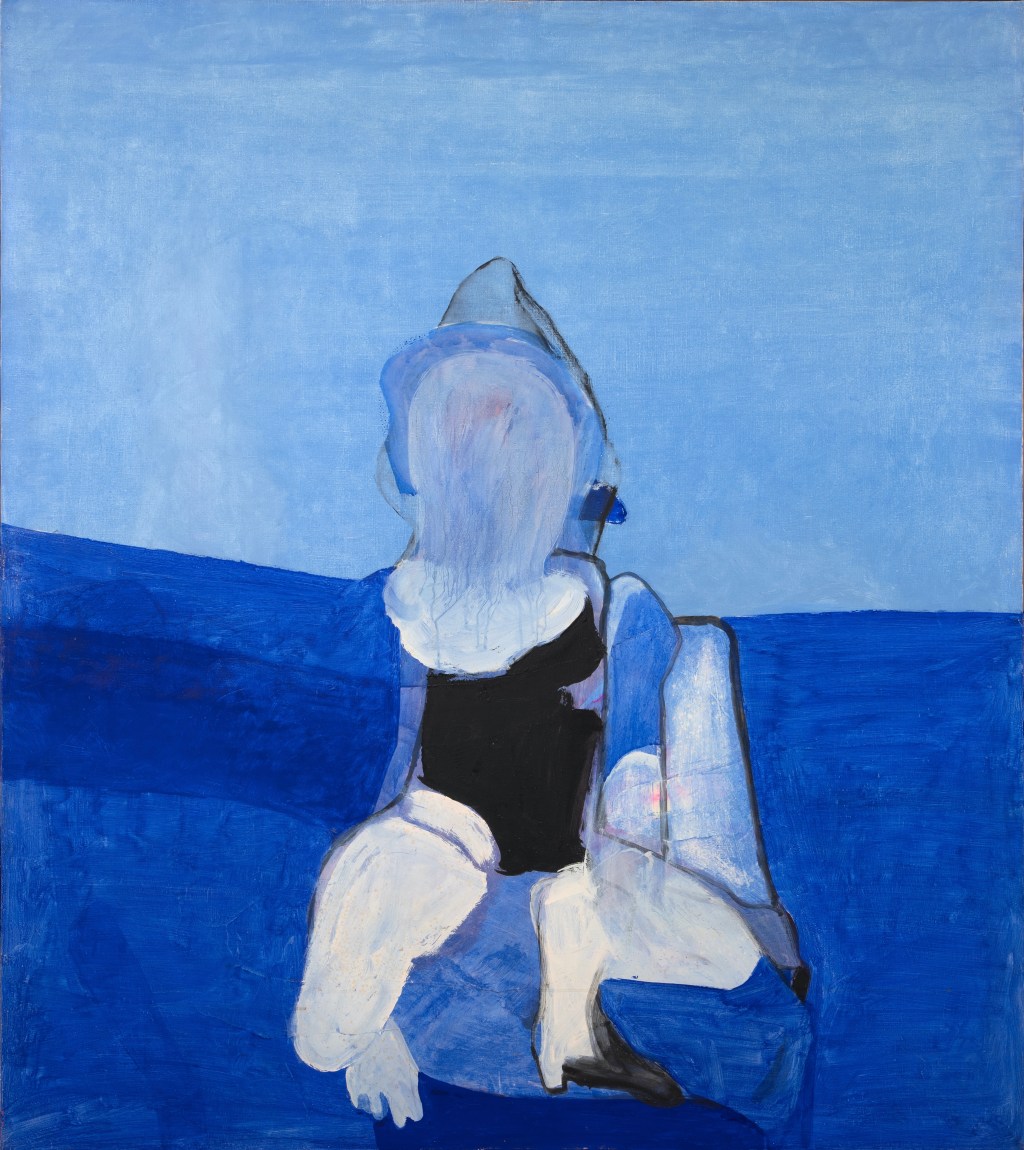
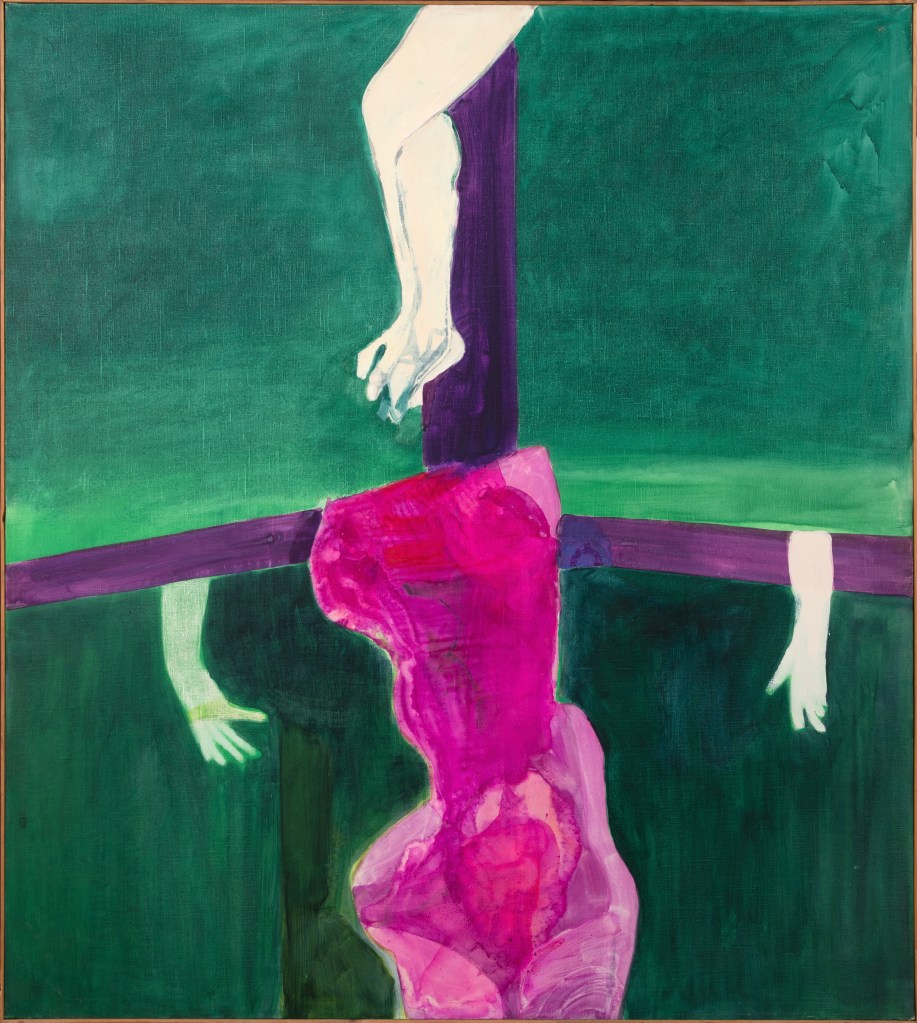
    “When I am not painting, I feel like a car without a driver: I’m getting rusty,” artist Teresa Pągowska wrote in 2001. “A painting may arise from a dream. The most important dreams cannot be revealed; it is to me that they present themselves. They will leave their marks on paintings.” Born in Warsaw in 1926, Teresa Pągowska is a key figure in 20th century Polish art, recognised for her intimate depictions of the female form and her innovative experiments in the medium of painting. She studied painting at the State Higher School of Fine Arts in Poznań, under the Colourist Wacław Taranczewski, before moving to Sopot in 1950 and becoming affiliated with the Academy of Fine Arts in Gdańsk, where she taught for over ten years.

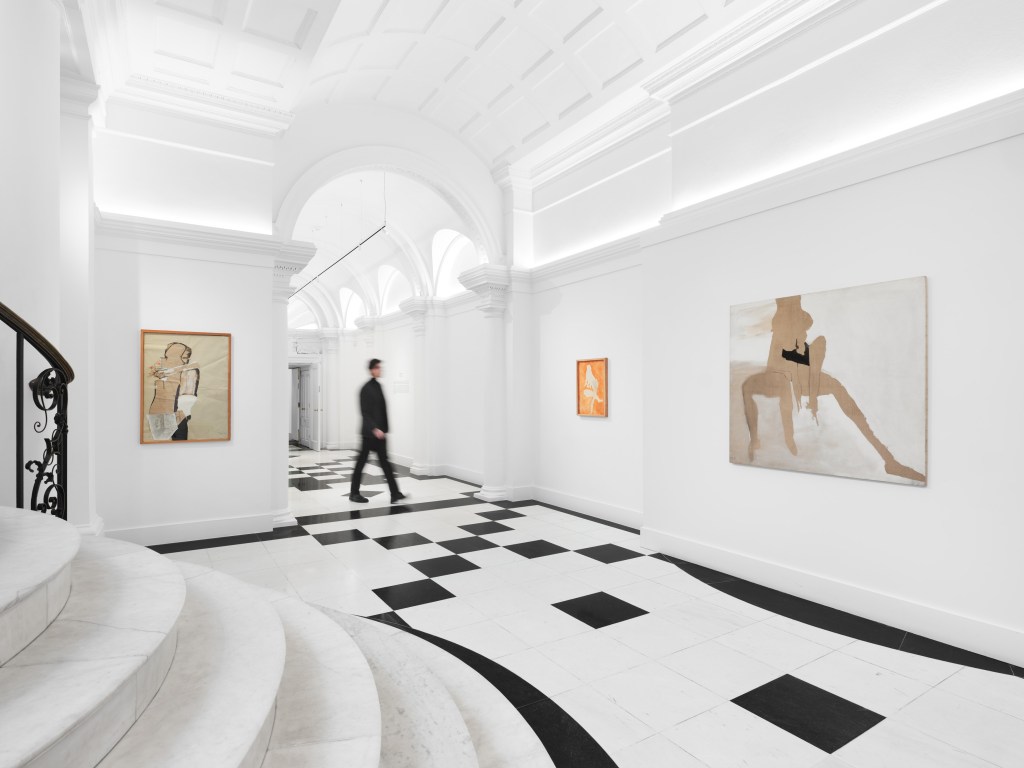
    Teresa Pągowska at Thaddaeus Ropac London, February 2025. Courtesy Thaddaeus Ropac gallery, London ·Paris · Salzburg ·Milan ·Seoul. Untitled, 1969, Oil on canvas

    Pągowska participated in the All-Poland Exhibition of Young Art. Against the War – Against Fascism, the landmark show which was held at Warsaw’s Arsenal in 1955, and also the First Paris Biennale at the musée d’Art moderne de la Ville de Paris in 1959.

    ‘Shadow Self’ at the Thaddaeus Ropac Gallery in London, running until 2nd April 2025, is an arresting, visually evocative exhibition so titled because it contains the motif of the shadow as a thread throughout the show. I would advise all reading this to run, not to walk, to see it before it closes – it really is a unique exhibition and one to spend time contemplating. “Shadows hinge the body to its environment: they simultaneously exist in and defy the material world,” the programme from the gallery notes: “by tracing their elusive forms with paint, Pągowska reveals the secret or fantasised parts of the self: our desires, fears or impulses.”

    Teresa Pągowska: Shadow Self, installation view at Thaddaeus Ropac London, February 2025. Courtesy Thaddaeus Ropac gallery, London ·Paris · Salzburg ·Milan ·Seoul. Untitled, 2002/2003. Acrylic and
    tempera on canvas

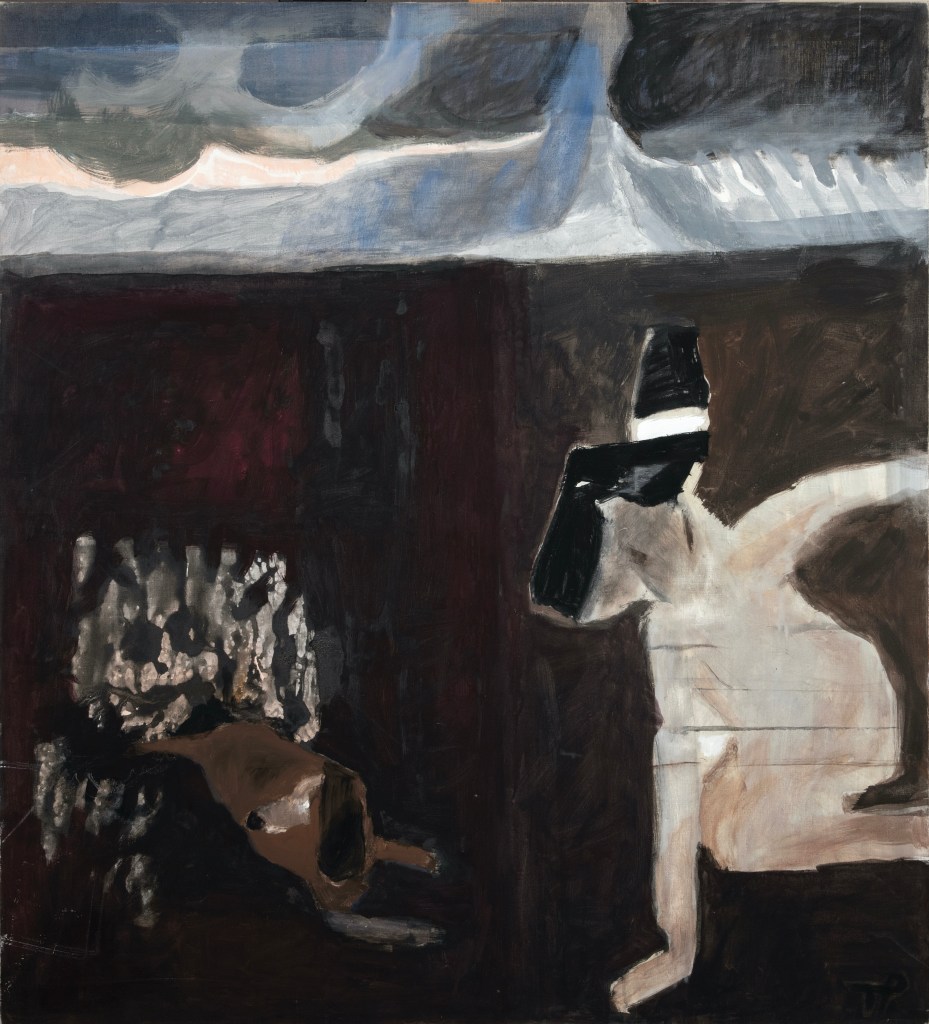
    Alongside the paintings featuring shadowy female forms, complex in composition and psychologically intriguing, I particularly liked the artist’s depictions of dogs in the exhibition: shadowy canine forms appear at the feet of female figures, looking up obediently at their mistresses or else sitting in a typical doglike across interiors. From the late 1980s onwards, Pągowska had started to introduce animal life into her paintings, and in the 1990s and 2000s, she began to paint hybrid animal-human creatures, creating mysterious interspecial characters.

    Teresa Pągowska at Thaddaeus Ropac London, February 2025. Courtesy Thaddaeus Ropac gallery, London ·Paris · Salzburg ·Milan ·Seoul. Untitled, 2002/2003. Acrylic and
    tempera on canvas

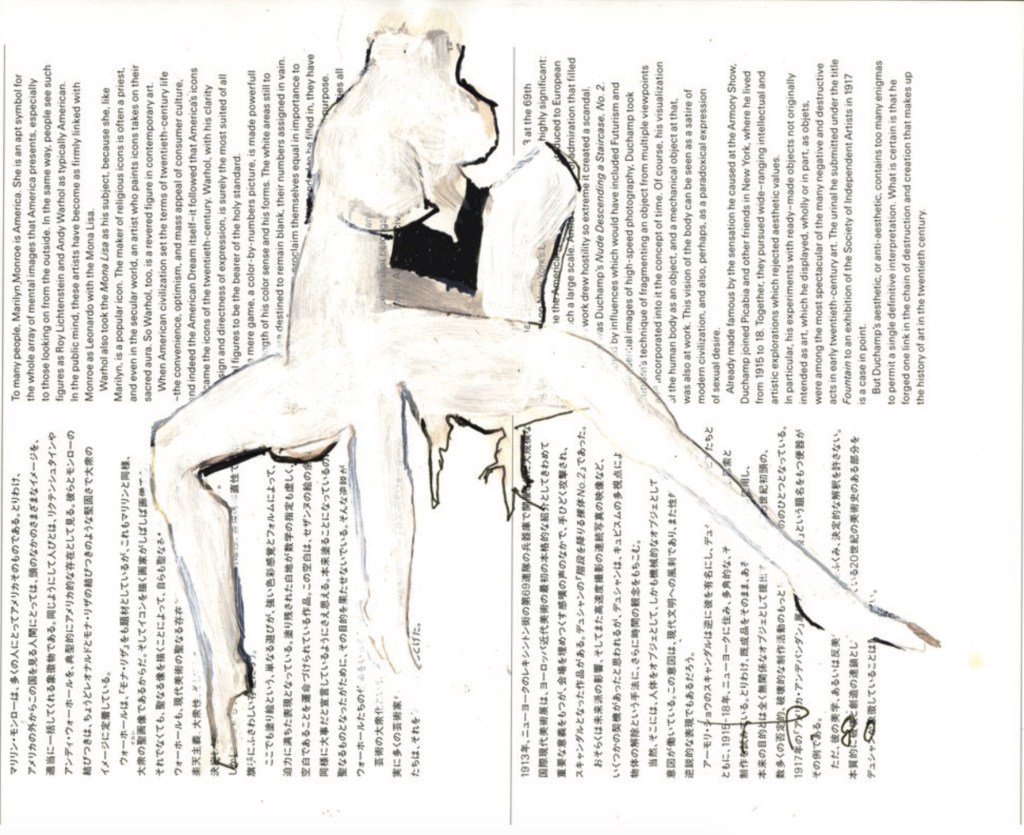
    In terms of process, Pągowska collected and repurposed found, everyday materials including magazines and wrapping papers, “drawn to their irregular, tactile surfaces” (Thaddaeus Ropac Gallery). These materials give to the artist’s work a transient quality, mixing the everyday ephemeral culture to the timelessness of oil painting as a medium.

    Teresa Pągowska at Thaddaeus Ropac London, February 2025. Courtesy Thaddaeus Ropac gallery, London ·Paris · Salzburg ·Milan ·Seoul. Untitled, 1980, Ink and gouache on paper

    In 2022, Pągowska received an honorary doctorate from the Academy of Fine Arts in Gdańsk. Her legacy in art history continues to grow, with more and more people becoming aware of her work and being inspired by her sprawling canvases and the shadowy worlds within.

    IMAGE TOP: Untitled, 1966. Oil on canvas. Courtesy Teresa Pągowska Estate and Thaddaeus Ropac gallery, London · Paris · Salzburg · Milan · Seoul

  • Grayson Perry’s Art Club’s creative director on art for the darkest times

    Grayson Perry’s Art Club’s creative director on art for the darkest times

    Neil Crombie is the co-founder and creative director of Swan Films and a double BAFTA-winning director, producer and executive producer. Here, he speaks to culture writer Frances Forbes-Carbines. 

    How many submissions of artwork are you expecting for this series?

    Last year we got around ten thousand submissions: we anticipate a higher figure this time around. We’re more organised this year — last year we set up the show in the height of lockdown, in a period of a couple of weeks. There’s a special dedicated website, Grayson’s Art Club.com, so that submitting artwork is easier; we’ll get a lot more engagement in terms of people submitting work as well as just watching the programme.

    Has the volume of submissions made you think differently about arts programmes?

    Making the series has been a lesson for us when thinking about the different ways in which arts programmes inspire and engage the public. It was really interesting to see how much appetite there was from members of the TV-viewing audience to engage with an arts programme in lockdown. It made me think: what are the barriers to entry of other arts programmes that were preventing people from wanting to engage? 

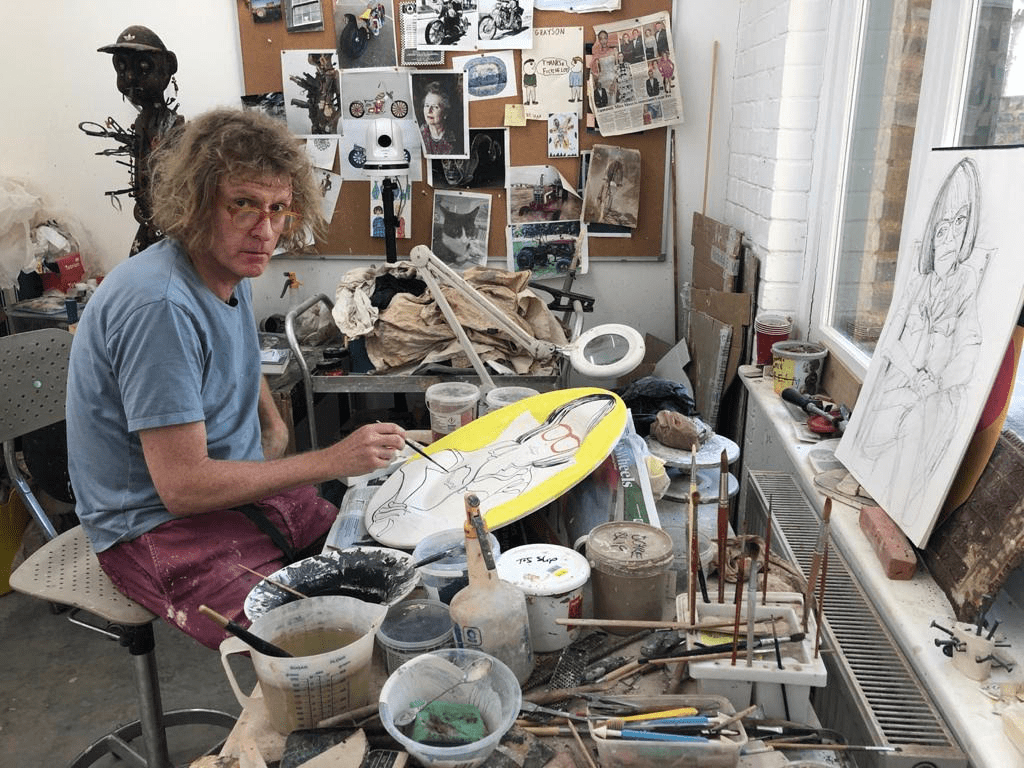
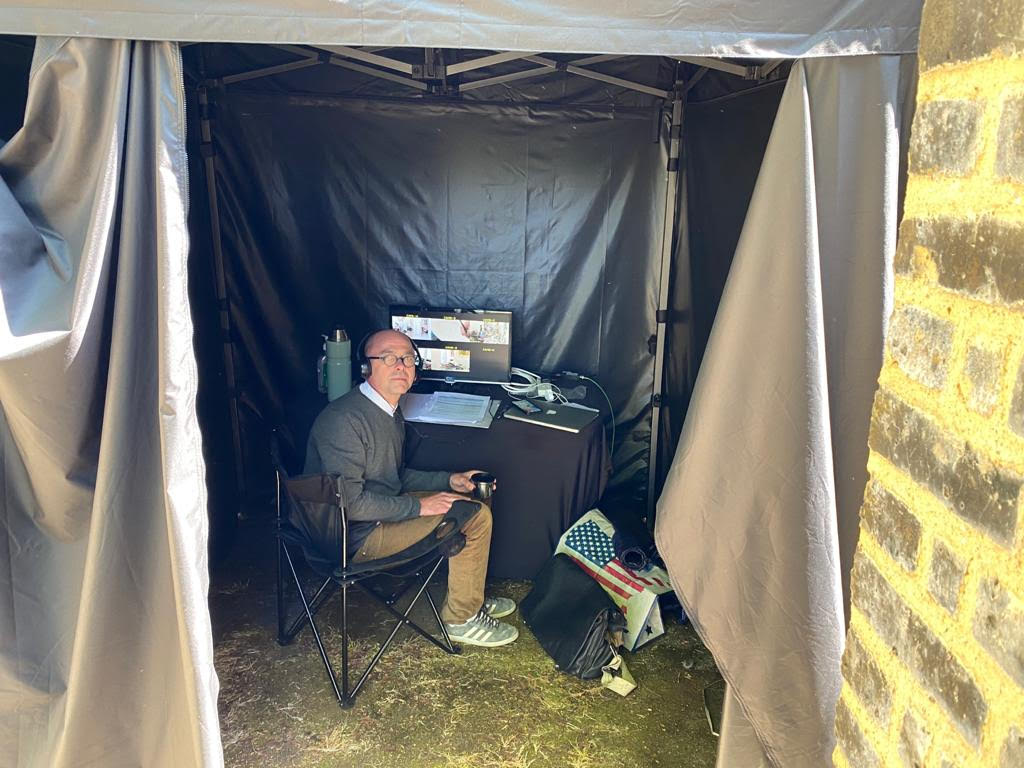
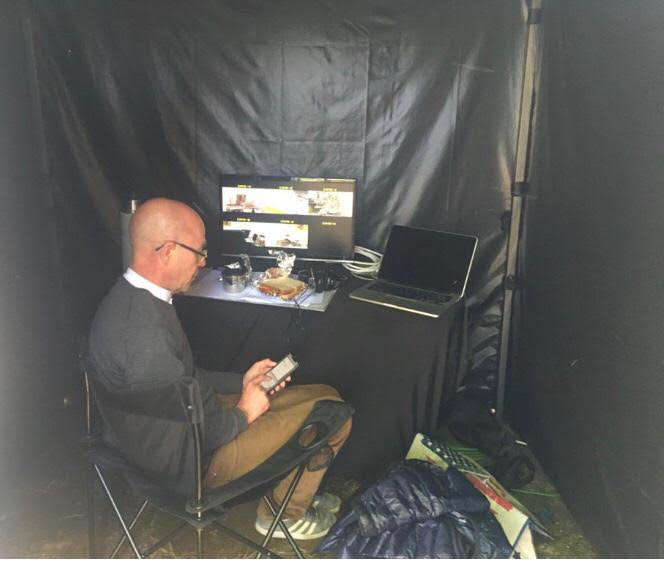
    On set

    What might prevent people from wanting to engage in arts programmes?

    People watching Grayson’s Art Club would see that we weren’t doing what most arts programmes on television do, that is to say, we weren’t evaluating the art. Most arts programmes are basically an exercise in critical evaluation by an expert, for example, someone will say late Picasso is better than early Picasso; that Matisse is an inferior artist to Picasso, or that the Renaissance is way better than Mannerism. 

    I’m not saying that’s wrong—that’s really important and valuable—but [for us] we decided that we weren’t going to do that at all and what we were interested in was the why of why they’ve made it, what it told them about their lives, their story, the experiences they were having right now. I think that gave people a sort of permission to engage with the programme that they perhaps wouldn’t have had before.

    Is it wrong to evaluate?

    It became clear that we weren’t saying that it’s wrong to evaluate, or that we just weren’t interested in the question. The question we were interested in is, “how could people share their experiences of what they were going through and their lives with everyone else, through the medium of art?” The art was a sort of bridge to people feeling able to share their story and their experience with everybody else. And I think that’s what people picked up on: the absence of critical judgement about it, parking all of that and just saying “That’s not the exercise we’re engaged in”.

    How did last year’s series come about?

    In late February last year, it was clear that there was going to be a lockdown. I remember talking to Grayson about what we were going to do about the lockdown. Grayson’s always been someone who has stood for the democratisation of art: he’s always very keen to talk about his art in the most accessible way possible, and to engage a broad audience in his art and in art generally. I said, “Well, you’ve got to put your money where your mouth is—if people are going to be stuck at home, why don’t we try to get them making art?”

    Tell me about production: how do you make this kind of series?

    We were quite inventive about how we did it. It’s relatively inexpensive—a lot of it’s done through Zoom. The contributing artists and celebrities tend to get their households to make the film of either them or someone in their studio. Crucially, these technologies and methods give a feeling of solidarity among viewers, viewers who submit art and the celebrities involved. Everyone’s in lockdown and at home. We’re keeping all of that for the next two years and we’re not changing it in any sort of radical way. I think it’s very important that you feel that Grayson and Philippa, and everyone talking on the programme, are in the same boat as you are. We’re all going through a point in history that we will want to look back on.  

    Grayson and his guests are selecting work sent in by the public. Some of it will appear in an exhibition, eventually, at some point, in the real world. We made a special episode of the series last year about the creation of the exhibition at Manchester Art Gallery. When we first embarked on the programme we’d thought about making an exhibition of people’s artworks, but hadn’t thought through what the reality of that would be. 

    What was it like to work with Manchester Art Gallery? 

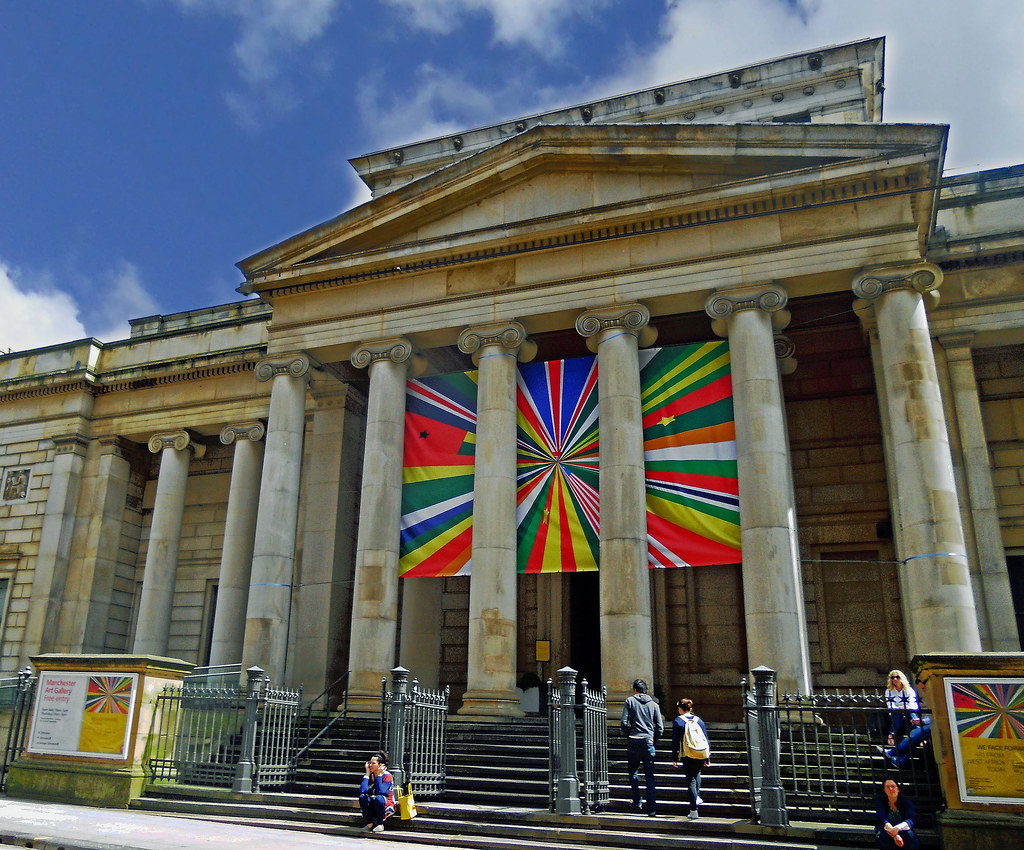
    It was an honour to work with Manchester Art Gallery, the amazing, prestigious, very beautiful grand Victorian institution in the heart of the city. It’s a fantastic place where they do great work, and the curator created a really beautiful show—it has not yet been able to open to the public. There’s a sort of irony about that: an exhibition of lockdown art that can’t open just yet, but will eventually. That’s been really instructive: you suddenly think that there’s another yardstick to evaluate the success of a programme like ours, which is that things happen in the real world because of it. 

    Manchester Art Gallery

    Will this have wider implications?

    I feel that this exhibition should help really kickstart the cultural scene in Manchester when it’s able to open, as all of the institutions in the city have really struggled to have a big headline exhibition that will really bring the public in. This is really important to the cultural scene in Manchester: public engagement and representation in the art world.

    What they want from television is that feeling that we’re creating communities around ourselves, around something we’re all watching together. That’s an actual experience of community, as opposed to just passively watching a programme. 

    What is distinctive about Grayson’s Art Club?

    I think that Grayson’s Art Club is popular because it’s a club, as much as because it’s about art. Call it a club that everyone’s welcome to join, to which everyone can send in their art and who knows, they might end up in a really prestigious art gallery in Manchester if they have a go. And even if they don’t, that feeling permeates everything that we do. Inclusivity. Freedom. Creativity. We want to build on these values this year.

    How much do we need the arts?

    I feel that Grayson’s Art Club is a window to the vital importance of art: lockdown made people realise how much they get out of art. Making art at home in some ways compensates for not being able to experience art in a gallery. It engages people in a meaningful and beneficial activity.

    We know that the public benefits massively from involvement with art; that they benefit in mental health terms, they benefit in terms of communal experience, they benefit educationally. We know that now we’ve proven its importance in even the darkest and most difficult times.

    The nebulous concept that art is for the public good has been definitely proven in the Covid-19 crisis. Terrible times prove how much we need the arts.

  • Quayola’s ‘Aborescent’ stuns as Casa Batlló’s 2025 facade mapping

    Quayola’s ‘Aborescent’ stuns as Casa Batlló’s 2025 facade mapping

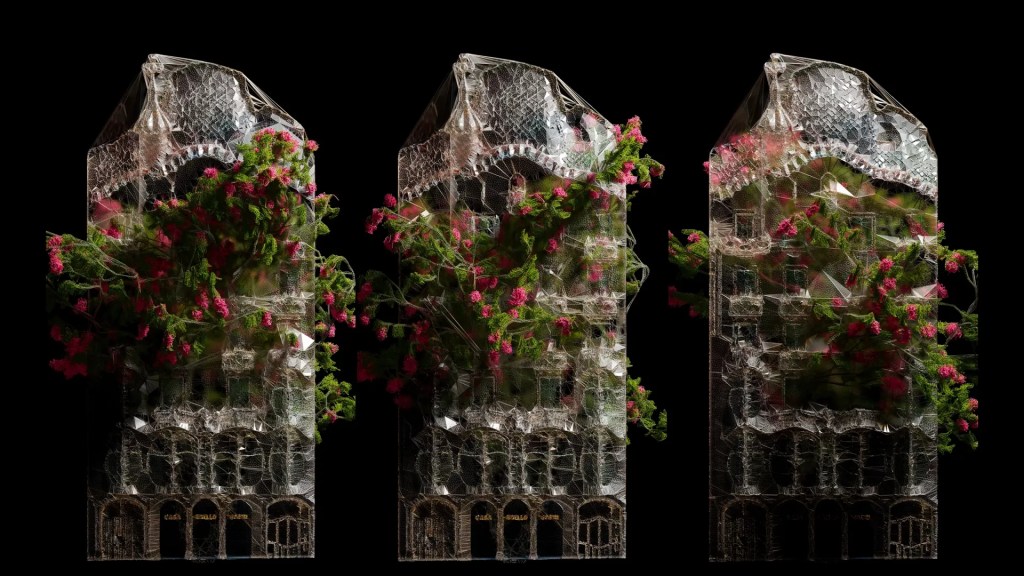
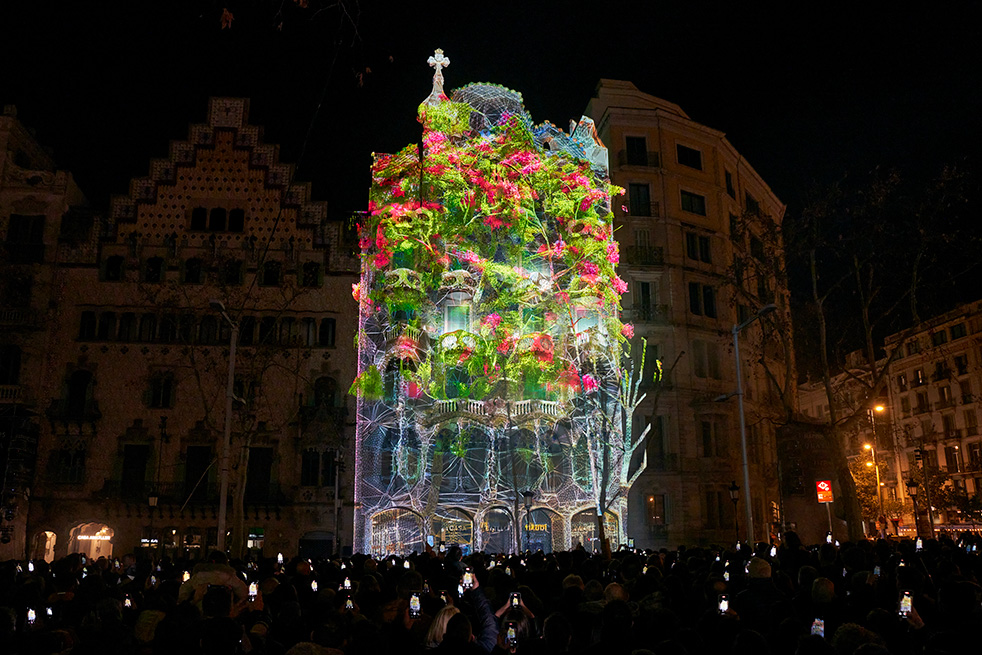
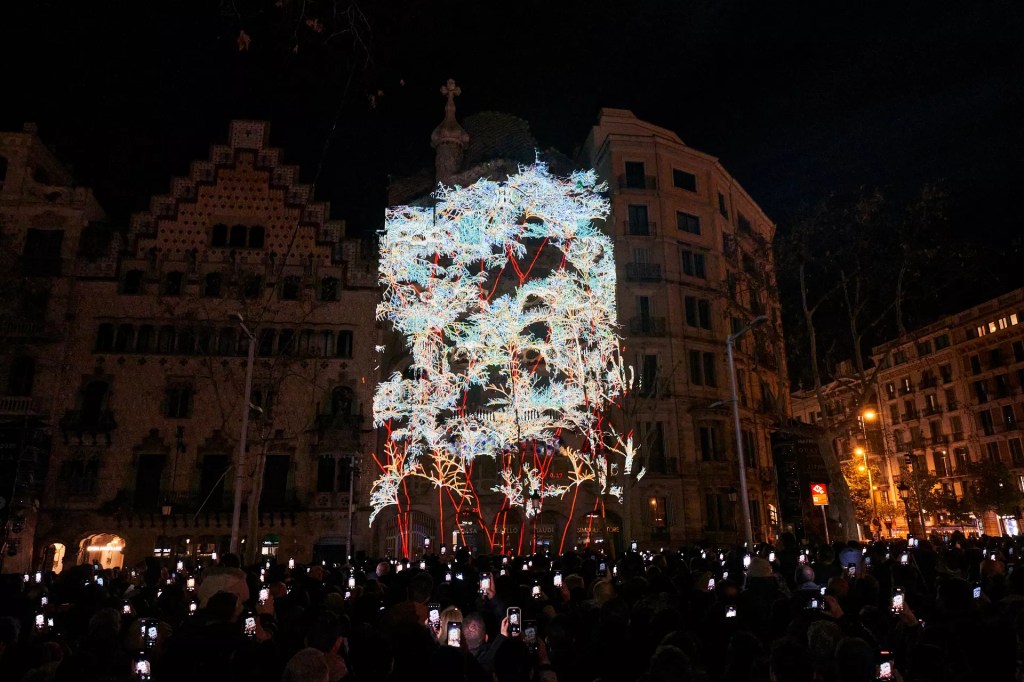
    If you were in Barcelona earlier this year you would have had the luck to see a truly spectacular show: artist Quayola’s ‘Aborescent,’ digitally projected onto the city’s world-renowned Casa Batlló. While digital art as a field is covering new territory and making its own new vocabulary in art history, I would confidently say that ‘Aborescent’ was a masterpiece: a kaleidoscopic display of dazzling colour, pattern, movement, colour and sound. It was deeply moving and at the same time, startling. It drew in an enormous crowd: some filmed it on their phones while others watched in silent awe.

    Casa Batlló is a spectacular building in the centre of Barcelona: designed by architect Antoni Gaudí, it is considered one of his masterpieces, alongside the nearby Sagrada Familia. A remodel of a previously built house, it was redesigned in 1904 by Gaudí and has been refurbished several times since, to fit the changing uses through time. Gaudí’s assistants Domènec Sugrañes i Gras, Josep Canaleta and Joan Rubió also contributed to the renovation project when the architect took the project on.

    The local name for the building is Casa dels ossos (House of Bones), as it has a skeletal quality with its long fingerbone-like lines and ribcage façade that seem to emerge from the front of the building as though floating upwards from water, such is the graceful way they appear. It is located on the Passeig de Gràcia in the Eixample district, and forms part of a row of houses known as the Illa de la Discòrdia (or Mansana de la Discòrdia, the “Block of Discord,” owing to the buildings’ very varied architectural styles which contrast with each other), which consists of four buildings by noted Modernista architects of Barcelona.

    Casa Batlló Mapping 2025 by Quayola  Courtesy of Casa Batlló by Claudia Mauriño

    Like everything Gaudí designed, Casa Batlló is only identifiable as Modernisme in the broadest sense. The ground floor, in particular, has unusual tracery, irregular oval windows with very beautiful stained glass, and flowing sculpted stone work. There are few straight lines, and much of the façade is decorated with a mosaic made of broken ceramic tiles (trencadís). At present, Casa Batlló is a UNESCO World Heritage site and an icon in Barcelona: I imagine it shall remain so for all time. It is also one of the most highly rated cultural and tourist attractions, welcoming 1 million visitors every year.

    One thing that strongly impressed me, and that I have not seen elsewhere, was that Casa Batlló was awarded at the 10th Fundación Diversidad Awards in the Culture category for a pioneering project: the inclusion of 100 neurodivergent individuals in the visitor services team, the majority of whom are on the autism spectrum.

    On their website it is stated that “This initiative is unique for a World Heritage site and has been made possible through a close collaboration with the Specialisterne organization. Today, 85% of Casa Batlló’s front-of-house staff are neurodivergent and are taking on key roles, achieving excellent results in visitor satisfaction.”

    By Sara Terrones – Viajar lo cura todo, CC BY-SA 4.0, https://commons.wikimedia.org/w/index.php?curid=55091332

    Born in Rome in 1982, Quayola is known for his immersive installations which take classical imagery and marry it to contemporary technologies to create (in my words) works of wonder. Quayola’s work has been exhibited at numerous prestigious institutions worldwide, including the V&A Museum in London, Park Avenue Armory in New York, the National Art Center in Tokyo, UCCA in Beijing, How Art Museum in Shanghai, SeMA in Seoul, Palais de Tokyo in Paris, Ars Electronica in Linz, Sonar Festival in Barcelona, and the Sundance Film Festival.

    Casa Batlló Mapping 2025 by Quayola  Courtesy of Casa Batlló by Claudia Mauriño

    Also a frequent collaborator on musical projects, Quayola has worked with composers, orchestras and musicians including London Contemporary Orchestra, National Orchestra of Bordeaux, Ensemble Intercontemporain, Vanessa Wagner, Jamie XX, Mira Calix, Plaid and Tale Of Us. In 2013, Quayola was awarded the Golden Nica at Ars Electronica.

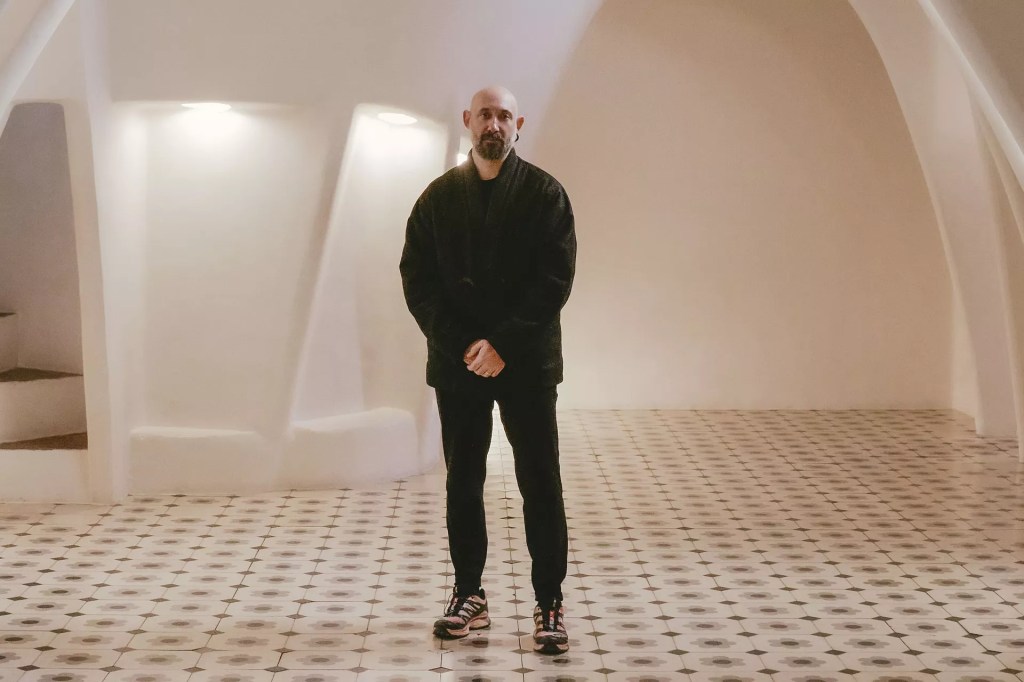
    Quayola – Courtesy of Casa Batlló by Claudia Mauriño

    The music Quayola composed for Aborescent was a very complex and resonant piece, with pizzicato strings, rhythmic percussive beats and bright chimes. It sounded at once completely contemporary and new, while nodding to the music of the past and certainly drew in the crowds of people who had been passing through.

    Quayola at Casa Batlló (photo © Frances Forbes-Carbines)

    The music coordinated perfectly with the visuals. As Quayola himself said,

    “The most fascinating part of the creative process was simulating the impact of artificial wind on various tree species. The movement of each branch swaying in the wind becomes a new object of contemplation.”

    ‘Arborescent’ Artwork Render Credit: Quayola Studio

    “I felt a very special connection with this incredible city. Thank you, Barcelona—it has been a great honor to connect with your heritage in such a spectacular way. Seeing my work at this scale on Casa Batlló, amplified by the energy of the audience, was truly incredible.”

    In a statement, Gary Gautier, General Manager of Casa Batlló, said: “It is exciting to see the success of Casa Batlló’s mapping, a show that has already become a tradition. It is one of the best gifts we can give to the city of Barcelona.”

    I am excited to see what Quayola creates next: in ‘Aborescent’ he created something of great beauty and delicacy, with a strong sense of meaning about the possibilities to be found within nature of combatting’s the hot issues of today, such as climate change.

  • The marriage of art & artificial intelligence: see Rembrandt’s Night Watch in its original form for the first time in 300 years

    The marriage of art & artificial intelligence: see Rembrandt’s Night Watch in its original form for the first time in 300 years

    Can art really be enjoyed remotely? Can it be restored remotely? To answer these questions, look at the Rijksmuseum’s new website: the reconstructed version of Rembrandt’s The Night Watch is, as of today, displayed on the site, allowing virtual visitors to explore discoveries made in the course of the iconic artwork’s restoration and expansion during ‘Operation Night Watch’. A video revealing how the reconstruction came about provides ripe learning opportunities for the art-curious and can be found here

    There’s a great sense of excitement and mystery about the restoration: it’s a century-spanning tale of missing canvas pieces; of artistic intent; of the evolution of art restoration processes and the skills behind them.

    Each generation has used the tools available to it to attempt to reconstruct the painting. Now we are doing the same, using the most advanced techniques currently available.Pieter Roelofs, Head of Paintings and Sculptures, Rijksmuseum


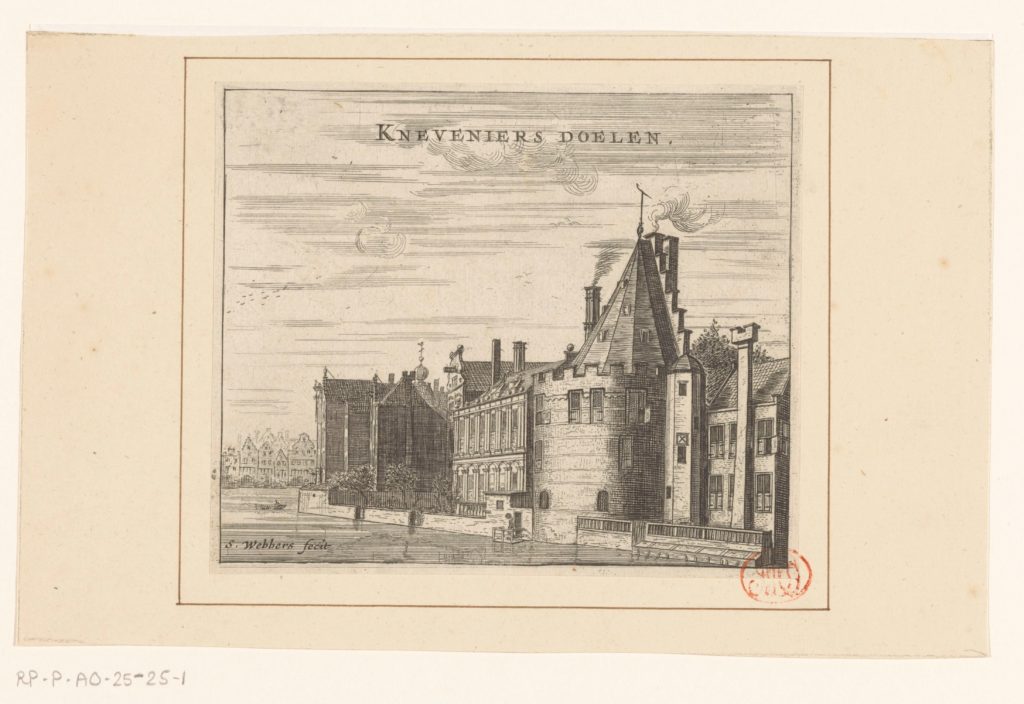
    View of Kloveniersdoelen in Amsterdam, Zacharias Webber (II), 1665, Rijksmuseum collectio

    From archival research to artificial intelligence

    The Night Watch was originally painted for the Great Hall (Groote Sael) of the Kloveniersdoelen, the headquarters of several companies of the city’s militia. The painting formed part of an ensemble together with six other large group portraits, all painted between 1640 and 1645, but less than forty years later the building had lost its original purpose and a new home was needed: in 1682 the Amsterdam Burgomasters decided to relocate the paintings to the newly-built Town Hall (the present-day Royal Palace on Dam Square).

    Here they encountered budget issues: no funds to finish the intended decoration scheme. Time to move again. The paintings were moved, over the course of ten years, and treated in their transient homes, but the archival team note that it wasn’t standard practice in the seventeenth century to “specify on which paintings work was being done […] we cannot know for certain if Jan Rosa [a distiller, painter and appraiser whose name often shows up in the city archives in connection to the repair of paintings] also treated The Night Watch, let alone what he did exactly”.

    Eighteenth century records would also prove hard to come by: there is mention of an order to clean “the large painting by Rembrandt hanging in the room of the Kloveniersdoelen” but records are lacking as to how or by whom this would have been carried out. There is, however, the work of  painter, connoisseur and restorer Jan van Dijk (c. 1690–1769), who was keeper of the Town Hall between 1746 and 1766 and who in 1751 and 1752 treated all paintings in the Small War Council Room, including The Night Watch

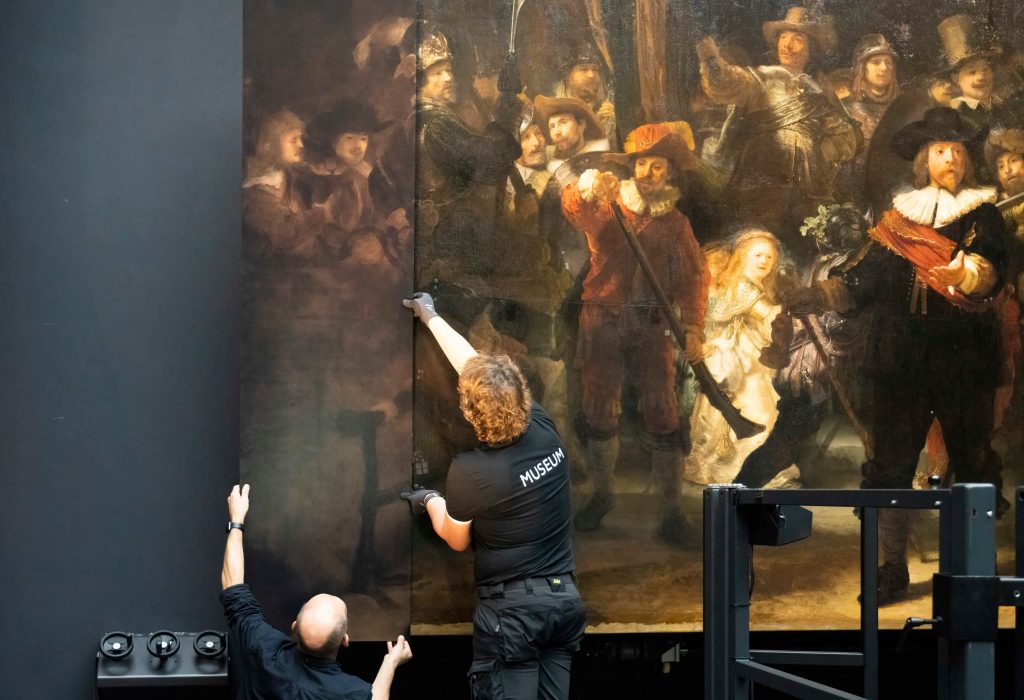
    The restoration team behind Operation Night Watch say that in 1756 van Dijk published a small volume called Kunst en Historiekundige Beschryving en Aanmerkingen over alle de Schilderyen op het Stadhuis te Amsterdam (Art and Historical Description and Comments about all the Paintings in the City Hall in Amsterdam), in which he lamented the fact that the painting was cut down in size to fit between the two doors of the small war council room. On the left side, two whole figures had been removed, and on the right side part of the drummer.

    From these archival findings and losses via nineteenth century arguments as to whether the painting had been cut or not, The Night Watch progressed to the care of twenty-first century scientists, who used the neural network of artificial intelligence to tell the computer involved in the restoration to recognise what colours Rembrandt used, and what brush marks he had made. The video explains the process and how, with great care and great attention, the Netherlands’ most cherished artwork has used the most modern of methods to return to its former glories.

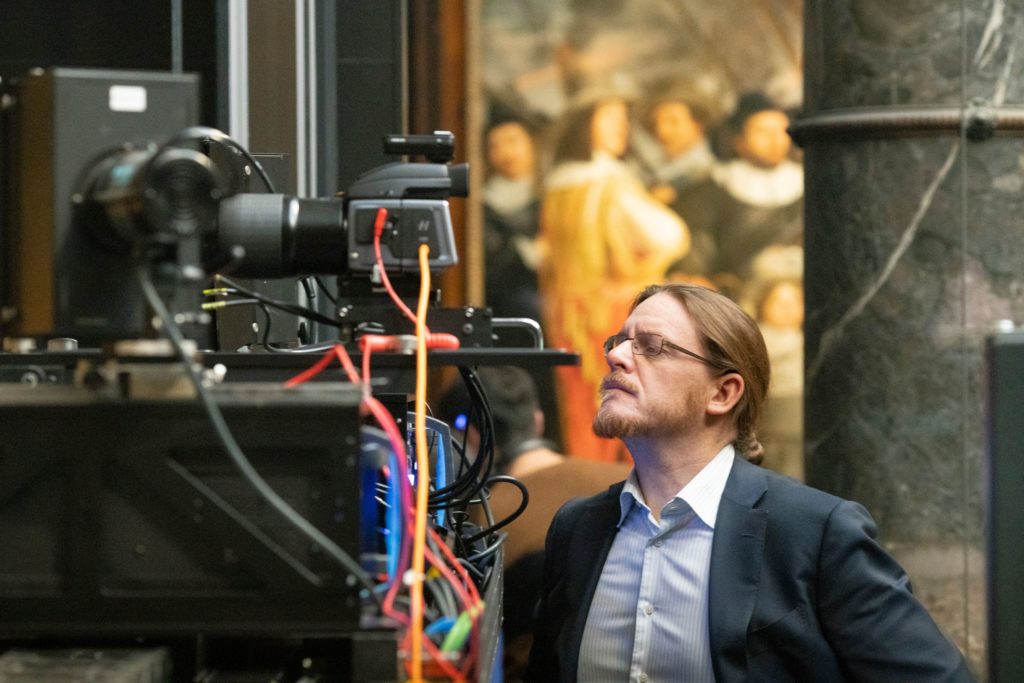
    Photo: Rijksmuseum/Reinier Gerritsen. Prof. dr. Robert G. Erdmann, Senior Scientist at the Rijksmuseum, used artificial intelligence to create the reconstruction of the missing pieces of The Night Watch

    This project testifies to the key importance of science and modern techniques in the research being conducted into The Night Watch. It is thanks to artificial intelligence that we can so closely simulate the original painting and the impression it would have made.Robert Erdmann, Senior Scientist, Rijksmuseum

    IMAGE TOP: Rijksmuseum/Reinier Gerritsen